

Spark the Fire
Grant Writing Blog
Skills, ideas, and sometimes contrarian views for grant writers and freelance consultants who want to get better at the work, not just get through it. Centering purpose, not hustle.
Category Navigation
Filter posts by topic: click any category below.
Proposal craft, funder psychology, and the positioning choices that win.
Pricing, contracts, scope, and running a sustainable practice.
Prospecting, due diligence, and reading the fine print before you write a word.
Or search by keyword to find a specific post →
Credentialing, career moves, and staying sharp in the field.
You Hit Submit. Now What Do You Say to the Funder?
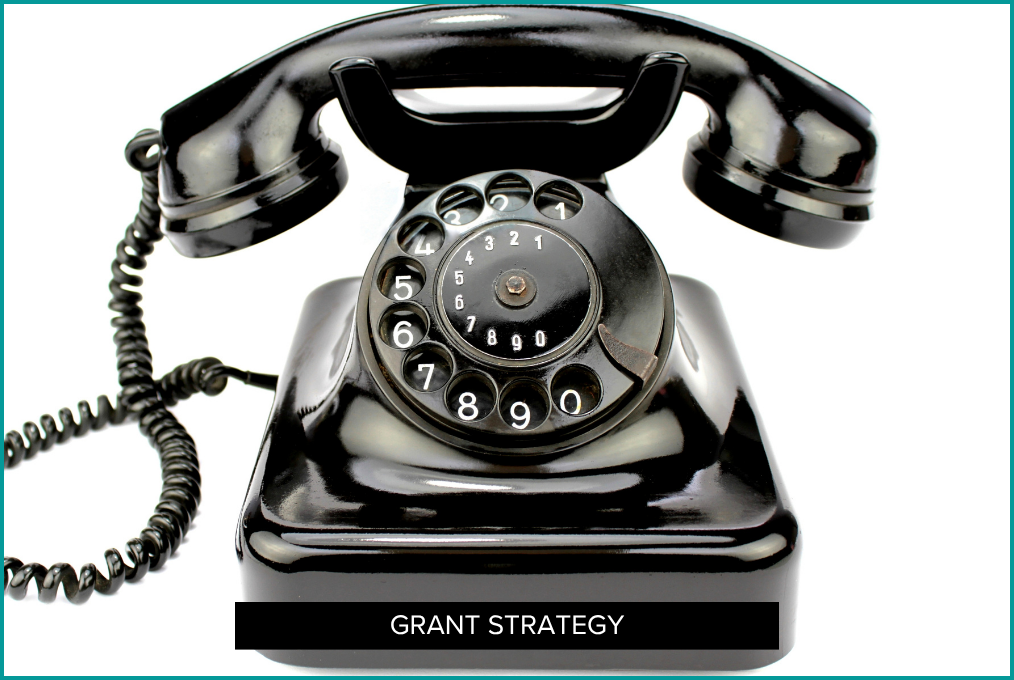
The Art of the Phone Call: How to Stand Out With Funders
Most of our communication happens by email, text, and online portals now, which makes a real conversation stand out more than ever. When you're a grant writer contacting a foundation or other grantmaker, a well-planned phone call is one of the best ways to make a meaningful connection.

Something Funny About This Budget: When Program Names Replace Cost Categories
Have you ever started working with a new client or a new employer, asked for an organizational budget, and had it come back with program names for the list of expenses? Not rent, utilities, staff, postage, just the names of programs.
Grant Writing Intake: What to Do When the Organization Doesn't Have What You Need
Most grant writing intake checklists assume the information already exists somewhere. When it doesn't, you're not missing documents, you're missing a plan for what to do next. Here's how to sort what's actually there from what needs to be built.
Let's Research Empowering Language in Grant Writing
In a low-income settlement outside Nairobi, 565 people each received a cash gift worth about two days' wages. No strings attached. They could spend it however they wanted. The only thing that differed was one sentence about why they were receiving it.
That single sentence changed how confident people felt about reaching their own goals. It changed what they expected their lives to look like in two years. It changed how judged they felt for accepting help at all.
What Are Programs, Anyway? How to Categorize Your Organization's Work for Grants
If you've ever hit the "what programs does your organization provide" question on a grant application and drawn a blank, you're not alone, and you're not stuck. It's one of the most common places grant writers get tripped up, especially when they work for a department or organization that has never used the word "program" for anything it does.
How to Forecast Grant Revenue
Every grant writer eventually gets asked the question. Maybe it's a board member, maybe it's an executive director, maybe it's a client three weeks into a contract: "How much do you think we'll actually raise?"

How to Write a Letter of Interest for Grant Funding: Complete Guide
After more than two decades of writing grants, and sitting on the other side of the table as a reviewer, I can tell you the letter of interest is where many strong programs quietly get filtered out. It rarely comes down to the work itself. It comes down to whether the letter respects the reader's time and makes alignment obvious in the first few sentences. This guide walks through what a letter of interest is, what to include, and how to write one that earns an invitation to submit a full proposal.
When 100% Should Have Said 100%: What a Box Truck Full of Furniture Taught Me About Participatory Evaluation
I was doing my initial research for a new client, an organization that provides an entire houseful of furniture to families experiencing hardship, when I found something that didn't add up.
The "Of Course" Factor: What It Is and How to Write Proposals That Earn It
You're trying hard not to skim. You're really paying attention to each one. And then, without quite noticing the shift, you find yourself hanging on every word of one proposal. The room around you has disappeared. You're not reviewing anymore, you're just reading.

The Two Jobs of an Executive Summary
Pull up USAspending.gov, type in your city, and you'll see every federal award going to organizations in your area. Click any one of them. The first thing you'll see is the funded project abstract. That's the executive summary, and once your federal grant proposal is funded, yours will live there as the public record of the work you committed to do.
Where Logic Models Quietly Lie
Because here is the catch that trips up even experienced writers: understanding the logic model and building an honest one are not the same thing. A model can be filled in correctly and still quietly lie. The lies are almost always in the same five places, and once you know where to look, you cannot unsee them in your own work.
The Proposal Move That Brought In an Extra $5,000
That check taught me something I have been teaching ever since: your ask is not a fixed point. It is a starting position. The proposals that get funded well, whether the award lands above or below the request, are the ones that tell the funder in advance how the work flexes.
You Don't Have to Apply for Every Grant. Here's How to Know Which Ones to Walk Away From.
Most everyone in this field will tell you to apply for more grants. This post makes the opposite case. Sometimes the most valuable move you can make on a grant is the decision not to write it, and almost nobody teaches you how to tell the difference. Below, I'll walk you through how I decide which grants are worth pursuing, which ones to walk away from, and how to say no without burning a single bridge.

Ethics Questions Grant Writers Are Afraid to Ask Out Loud
Your Budget Equals the Grant Maximum. Here's Why That's a Red Flag.
That alone is a yellow flag. What made it red was the inside of the budget. Personnel rounded to the nearest thousand. A line for "office equipment" with no detail. Marketing costs that looked suspiciously like whatever number was needed to close the gap to the ceiling.
The organization had built the budget to fit the grant. And every experienced reviewer can tell when that's what happened.
Evidence-Based Practices in Grant Writing: How to Find, Align, and Use Them
The term "evidence-based" gets thrown around a lot — often loosely. Before you can use it effectively in a grant proposal, it helps to understand what it actually means and where your program falls on the spectrum.
Grant Writing for Pass-Through Entities: The Mindset Shift That Makes It Click
I've worked with a lot of students and clients over the years who find themselves writing grants for organizations that don't run programs themselves — they fund other people who do. And almost universally, the first thing I hear is some version of: "I don't even know where to start. Do I describe what our organization does, or what the groups we fund do?"
Can You Include In-Kind in Your Grant Budget? Here's What I Tell My Clients
One of the questions I get from clients — and from grant writers helping their clients — is some version of this: "We have a lot of in-kind support. Can we include it in our budget?"
The short answer is almost always yes. But the longer answer, which is the one that actually helps your organization, involves understanding which budget you're talking about, how in-kind is valued and documented, and what funders are actually looking for when they set those minimum budget thresholds.
Let me walk you through what I've seen in 25+ years of this work, including some examples that still stick with me.
Grant Writing Advice You Should Ignore
I've been writing grants for more than twenty-five years. I remember going to the library and flipping through a massive research book called the Foundation Databook to find grant opportunities. I remember submitting applications on several reams of paper, stuffing them into boxes, not envelopes, and mailing them off with a prayer. I remember the days before cloud collaboration—when you'd send a draft to your team and get five completely different revised versions back, then somehow had to piece them together like a jigsaw puzzle.
So take it from me, someone who has been in this field a long, long time: there are no shortcuts to learning grant writing.