grant writing strategies

Top Grant Writing and Nonprofit Blogs to Follow in 2026

 
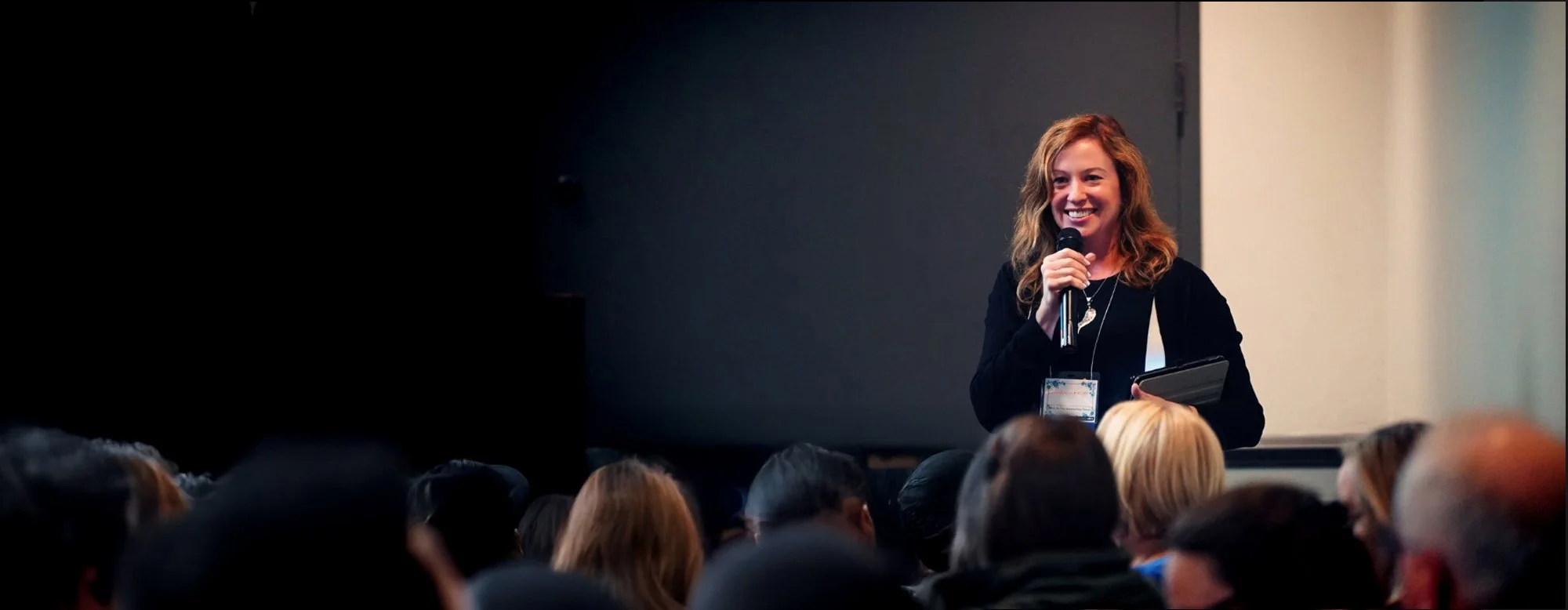
Allison Jones smiling while sitting at her laptop, inviting readers to explore the Best Grant Writing Blogs of 2026.
 

At Spark the Fire, I believe that great grant writers are lifelong learners. Whether you’re building your consulting business, applying for federal funding, or just getting started, staying inspired and informed is part of the journey.

This year’s list looks a little different from past versions. I reviewed every blog from the 2025 list and removed any that had not published at least four new articles in 2025. A surprising number had gone silent this year or even disappeared completely when I clicked their links. Since consistency matters — both for learning and for thought leadership — I only included blogs that remained active, relevant, and updated.

The result is a fresh, high-quality list of grant writing and nonprofit blogs that continue to publish meaningful content. These writers are trusted educators, thought leaders, and practitioners who share the same mission I do: helping you secure funding for causes that matter.

Below are my favorite blogs to follow in 2026, along with why I think they’re worth your time.

  • Spark the Fire – Our very own hub for weekly tips, grant writing templates, examples, and encouragement for purpose-driven grant writers. I write pieces that challenge assumptions in our field — thought-provoking, sometimes a little contrarian, and always rooted in the idea that meaningful work matters more than hustle. If you like smart think pieces about how to do this work with integrity and clarity, you’ll feel right at home here. If reading our think pieces sparks a desire to grow your skills even further, explore our Certificate in Grant Writing course — it’s where everything comes together in a guided, supported way.

  • 1832 Communications – Authored by Ephriam Gopin, this blog focuses on clear messaging and nonprofit donor communication. Some posts speak directly to grant writing. I appreciate how practical and accessible Ephriam’s writing always is.

  • Candid Blog – This is where I go for nonprofit funding trends and data. I especially enjoyed this recent article on whether U.S. Foundations will soon be using AI to review grant applications. If you want help finding the right funders for your organization, my guide on how to conduct smart, efficient prospect research is a great place to start.

  • Center for Effective Philanthropy (CEP) Blog – If you want to know what foundations are reading, read this blog. It covers funder-grantee relationships, strategy, evaluation, and impact. I find it incredibly grounding for understanding the funder perspective.

  • CharityHowTo – A blend of articles for every stage of your grant career. I liked this article written by fellow GPC, Diane Leonard. Clear, actionable, and always technically strong.

  • DH Leonard Consulting Blog – This team publishes consistently helpful posts on writing stronger proposals, federal readiness, and proposal reviews. Their motto is “don’t let grants stress you out,” and I think most of us can get behind that.

  • EUNA Solutions – This blog takes a tech-forward look at public sector grants. I appreciated a recent article about preparing for increased government oversight in 2026. I appreciated a recent artible about preparing for increased government oversight in 2026.

  • Foundant: GrantHub Blog – Foundant’s articles often focus on grant management, systems, and the foundation side of philanthropy. I always find it valuable to read what funders are being taught — it sharpens your own strategy when you understand how they think. I’m still missing Tammy Tilzey heading up their webinars, but the written content continues to be strong. A recent article recommending that foundations use AI to find similar grantees was especially interesting from a grant writer’s perspective. If you’re exploring how AI is shaping our field, you might also enjoy my AI & Grant Writing mini-series, where I break down practical, ethical ways to use AI tools.

  • Funding for Good – My friend Mandy Pearce and her team publish excellent articles on nonprofit strategy, capacity building, and consulting today. I particularly liked a recent piece about improving your consulting website. If you want even more behind-the-scenes insight into the world of grant writing firms, check out the Inside Grant Writing Businesses series — the conversations are smart, practical, and sometimes delightfully surprising.

  • Fundraising HayDay – I met this dynamic duo at the GPA Conference this year and became an even bigger fan. Their podcast-inspired writing offers smart, timely insights on teams, writing, deadlines, and the realities of grant work.

  • Grant Professionals Association – Industry updates, tools, and ethical guidance from the leading professional association. You can also find my guest blog here about grant prospect database taxonomy. You can also find my guest blog on grant prospect database taxonomy.

  • Instrumentl Blog – From the best grant prospect research database on the market comes one of the most trusted grant writing blogs online. I enjoyed Karen Lee’s article on general operating grant, and you’ll find several of my articles featured here too.

  • Just Write Grants – Melanie Lambert writes directly to executive directors and nonprofit leaders. Her recent article on maximizing year-end momentum in your proposals was especially energizing. This article on maximizing the year-end in your grant proposals fired me up.

  • GrantsPlus – A meaty blog with smart takes on capacity building and organizational readiness. This article entitled “Why You’re Losing Your Grant Writer and What to Do About It.” made me laugh and nod along.

  • Grant Seeker’s Edge – A newer LinkedIn-based blog focused on general fundraising. It currently has 18 issues and is steadily growing. There’s good practical insight here if you want short, digestible content.

  • GS Insights – GrantStation’s weekly, practical tips for finding and evaluating funders.

  • Millionaire Grant Lady – his monthly blog covers topics that most others don’t touch. I liked a recent article demystifying myths about faith-based organizations getting grants. Hint: they do.

  • MyFedTrainer – Consistent guidance on compliance, federal requirements, and managing complex federal awards.

  • Nonprofit AF – Vu Le serves up bold, honest, funny reflections on nonprofit life, leadership, and equity. It’s not a grant writing blog specifically, but it’s essential reading for nonprofit thinkers.

  • PEAK Grantmaking Blog - This is another “what funders are reading” resource. Articles focus on equity, transparency, and philanthropic best practice. If you’re exploring how AI is shaping our field, you might also enjoy my AI & Grant Writing mini-series, where I break down practical, ethical ways to use AI tools.

  • Philanthropy Today – Produced by the Chronicle of Philanthropy, this is like the New York Times of nonprofit news and analysis.

  • Seliger + Associates – A bit of a contrarian, tell-all style focused on federal grants. Their recent article questioning whether the “84 banned words” list is an urban legend made me think.

  • Think and Ink Grants – Equity focused strategies, business growth advice, and practical writing guidance for consultants and nonprofit leaders.

  • Write Epic Grants – I saved the best for last. This is a daily blog, which is impressive enough, but the real value is how fresh and creative each entry is. I love receiving these short, energizing tips every day.

Frequently Asked Questions

What makes a grant writing blog worth following in 2026?

Look for blogs that offer practical advice, current examples, and strategic thinking. The best ones help you understand funder expectations, improve your writing, and stay ahead of sector trends like AI, federal oversight, and trust-based philanthropy.

 How can these blogs help me become a stronger grant writer?

They give you access to expert thinking, proposal strategies, prospect research tips, and real-world case studies. Reading widely helps you refine your voice, think more strategically, and write proposals that resonate with funders.

 Are these blogs helpful for both nonprofit staff and freelancers?

Absolutely. Whether you’re an in-house grant writer, a consultant building your business, or an executive director writing proposals yourself, these resources offer insights that apply across roles.

 How do I keep up with new grant writing trends?

 Subscribe to a mix of blogs on this list, follow sector leaders on LinkedIn, attend webinars, and stay engaged with professional associations. The field evolves quickly, especially with emerging AI tools and shifting funder priorities.

Which blog should I start with if I'm brand new to grant writing?

Start with Spark the Fire, Instrumentl, Funding for Good, and DH Leonard Consulting. They offer clear, accessible guidance you can use right away.


Final Thoughts

There is no one right way to learn grant writing, and no single source has all the answers. The magic comes from surrounding yourself with teachers, peers, and thinkers who challenge you, inspire you, and remind you why this work matters.

If you have a favorite blog that isn’t listed here, share it in the comments. We love discovering new voices in the field. Also, if you want curated grant writing insights delivered each week, join my newsletter — it’s where I share trends, tips, and tools I don’t post anywhere else. Ready to take your skills further? Explore Spark the Fire’s Certificate in Grant Writing Course for 2026. 

The Perfect Recipe for Grant Writing Success
 
A vintage yellow recipe box filled with notecards, symbolizing the step-by-step process and organized approach needed to craft successful grant proposals.
 

In my family, recipes are cherished treasures passed down from generation to generation. They hold stories, memories, and a dash of tradition, making them a part of our inheritance. As I baked recently, I found myself wondering: what if I crafted a recipe for grant writing? What ingredients would it include?

Below is my tried-and-true recipe for writing a compelling grant proposal that strikes the perfect balance between heart and data, emotion and logic. And just like in cooking, every grant writer has their own flair—so I’d love to hear your take on this recipe!

Sweet and Savory Grant Proposal

A great recipe balances savory and sweet. In grant writing terms, this means blending hard facts with emotion to appeal to the data-driven reader and the empathetic decision-maker.

1 Scoop of Good Writing

Good writing is your foundation. Spelling and grammar mistakes can come across as careless, potentially damaging your credibility. While one typo might not cost you the grant, why take the risk?

Tools like Grammarly can help catch errors, refine sentence structure, and even suggest more concise phrasing. For a hands-on approach, try a simple exercise: take one paragraph from your draft and trim ten characters without losing meaning. This practice sharpens your ability to write directly and compellingly.

1 Pinch of Storytelling

Every great grant proposal has a story that sticks with the reader. To add emotional depth, vividly describe the setting of your project—the community or neighborhood where the magic will happen. Is it a bustling urban center or a quiet rural area?

Introduce the hero of your story: your program participants. Let them take the spotlight, showing their agency and resilience. Use quotes and real-life anecdotes to amplify their voices. Remember, your organization is the guide in this story, not the hero.

Remember, your organization is the guide in the story, not the hero.

1 Dollop of Statistics

Numbers ground your story in reality. For funders who need data to justify their decisions, include statistics about your program participants and measurable objectives for your project.

For example, if your program helps individuals secure employment, a strong objective might be: “Participants will apply for at least five jobs per week.” Make your objectives SMARTIE—specific, measurable, achievable, realistic, time-bound, inclusive, and equitable. Well-crafted objectives prove that your organization knows how to define and achieve success.

1 Dash of Research

Back your project strategies with research to show funders that your approach is evidence-based. If your program provides childcare to help single parents find jobs, cite studies highlighting the connection between childcare access and employment rates.

Quantify the problem with real numbers, such as the cost of childcare compared to minimum wage earnings. Share examples of similar programs that have succeeded in other communities. Combining research with your organization’s success stories builds a compelling case for your ability to make an impact.

Pre-Heat Your Oven

Before you submit your grant proposal, think about its emotional resonance. Funders are more likely to support initiatives that help people directly rather than those that address an organization’s internal struggles.

For example, would you rather give money to help a family access childcare so the parents can work or pay a nonprofit’s utility bills? While both are important, the former feels more impactful. Focus on showing funders how their contributions will transform lives, not just sustain operations.

Conclusion

Grant writing, like cooking, is both an art and a science. The best proposals strike the perfect balance between emotional appeal and logical reasoning, storytelling, and statistics. By following this recipe and adding your unique touch, you can create a grant proposal that leaves funders saying, “Yes, I want to support this!”

Now it’s your turn: what’s your recipe for a winning grant proposal? Share your favorite tips, techniques, or "ingredients" in the comments below! Let’s cook up success together!


Throwing in the Towel

You know that foundation that never returns your calls? The one you keep sending proposals to that never responds? You've poured over the foundation's 990-PF and its Foundation Directory Online profile. You've scoured the Web for information about its staff and giving. And everything you've found gives you reason to believe that if the good people at the foundation would just read your proposal, they'd want to invest in your organization. But you're still hanging on the telephone. Before you throw in the towel and decide to invest your time elsewhere, here are some things to keep in mind