Spark the Fire
Grant Writing Blog
Skills, ideas, and sometimes contrarian views for grant writers and freelance consultants who want to get better at the work, not just get through it. Centering purpose, not hustle.
Category Navigation
Filter posts by topic: click any category below.
Proposal craft, funder psychology, and the positioning choices that win.
Pricing, contracts, scope, and running a sustainable practice.
Prospecting, due diligence, and reading the fine print before you write a word.
Or search by keyword to find a specific post →
Credentialing, career moves, and staying sharp in the field.
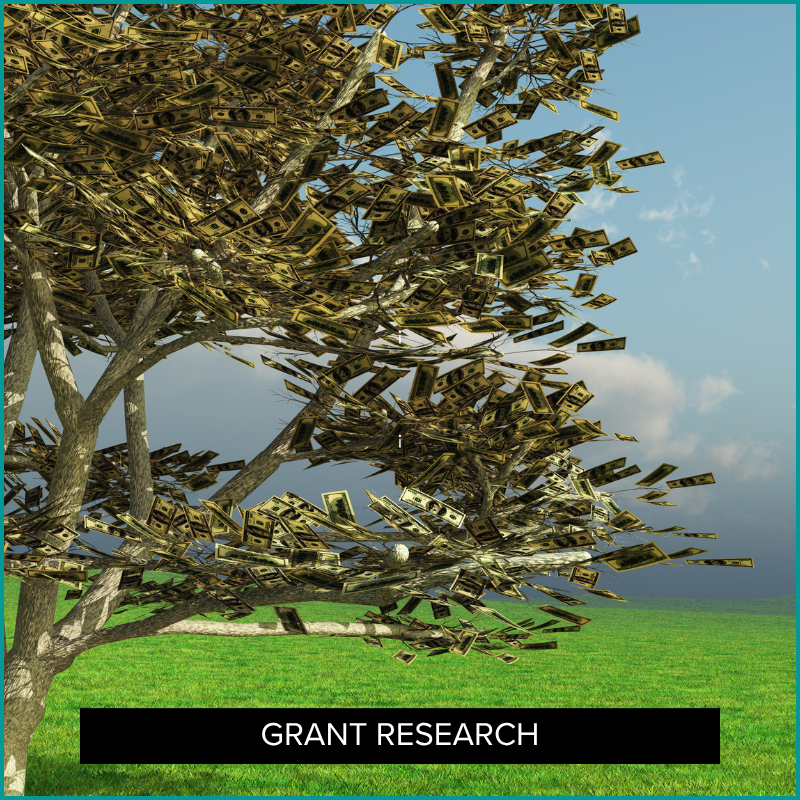
Best Grant Prospect Research Databases of 2026
One of the questions I'm asked most frequently is: where do you find grant opportunities?
If you're running out of prospects or your searches keep turning up the same handful of funders, here's a startling fact: ninety percent of foundations do not have websites.
That means if you're only searching Google, you're missing out on the vast majority of funding opportunities. This is where grant prospect research databases come in. These specialized tools give you access to hundreds of thousands of grantmaker profiles that you simply cannot find through a standard internet search.
After testing dozens of databases over the years, I've narrowed it down to three tried-and-true leaders plus one newcomer worth your attention in 2026. Let's dig in.

From Grant Writer to Nonprofit Consultant: Expanding Your Services to Serve the Whole Client
This is the quiet career evolution happening across our profession. Grant writers are becoming nonprofit consultants—not by abandoning grant writing, but by expanding around it. The logic is simple: we already understand these organizations deeply. Every needs statement requires us to analyze root causes. Every proposal forces us to assess organizational capacity. Every budget reveals financial health (or lack thereof).

The Evolving Role of Grant Writers: Why Strategic Thinking Matters More Than Ever in 2026
Outputs vs. Outcomes: How to Show Funders You're Making a Real Difference
Of all the grant writing mistakes I see, this one shows up very often: confusing outputs with outcomes.
When I review grant proposals for foundations and government funders, I watch this pattern repeat itself constantly. The applicant describes their program, lists impressive numbers, and never once tells me whether any of it is actually making a difference.
Your grant proposal might be well-written, well-organized, and perfectly aligned with the funder's priorities—but if you're only measuring outputs, you're leaving points on the table. This is one of the fastest ways to land in "six, seven" territory: that middle-of-the-pack score that isn't bad, but isn't good enough to get funded.
The "Six, Seven" Problem: Why Your Grant Proposal Isn't Getting Funded
When I sit in grant review consensus meetings, I hear a lot of "six... seven..." as reviewers call out their scores. (Yes, grant reviewers were saying "six, seven" long before it became a trend. We were just ahead of our time.) Those grant proposals aren't bad. They meet the basic requirements. They're competent. But competent doesn't get funded anymore. Competent lands in the middle of the pack, and the grant money runs out before middle-of-the-pack proposals reach the top.
Your grant proposal deserves better than "six, seven" energy.
If your grant proposals keep getting rejected—or if you're stuck in that dreaded "six, seven" territory—one of these twelve problems is likely the culprit.

What Grant Reviewers Actually Look For (From Someone Who Reviews Grants)
I've sat on both sides of the grant application process. As a grant writer, I've submitted countless proposals and waited anxiously for funding decisions. But I've also served as a grant reviewer for community foundations, private foundations, and government entities. That experience fundamentally changed how I write grant proposals—and how I teach others to write them.
Let me pull back the curtain on what really happens after you hit "submit." Here's what actually happens in the room, and what reviewers are really scoring once your proposal lands in front of us.
Why 2026 is the Year to Stop Writing Grant Proposals to Every Foundation
Have you noticed that more and more foundations are moving to "no unsolicited proposals" policies? You research a foundation that looks like a perfect fit for your organization, only to discover that it only accepts proposals by invitation.
It's not your imagination. The door to foundation funding has been closing slowly for years—and the data proves it.

Top Grant Writing and Nonprofit Blogs to Follow in 2026
At Spark the Fire, I believe that great grant writers are lifelong learners. Whether you’re building your consulting business, applying for federal funding, or just getting started, staying inspired and informed is part of the journey.
The result is a fresh, high-quality list of grant writing and nonprofit blogs that continue to publish meaningful content. These writers are trusted educators, thought leaders, and practitioners who share the same mission I do: helping you secure funding for causes that matter.
The Metrics Question: How Do We Measure Real Success in Grant Writing Education?
Working the Elevator Pitch: How to Build Funder Relationships Online
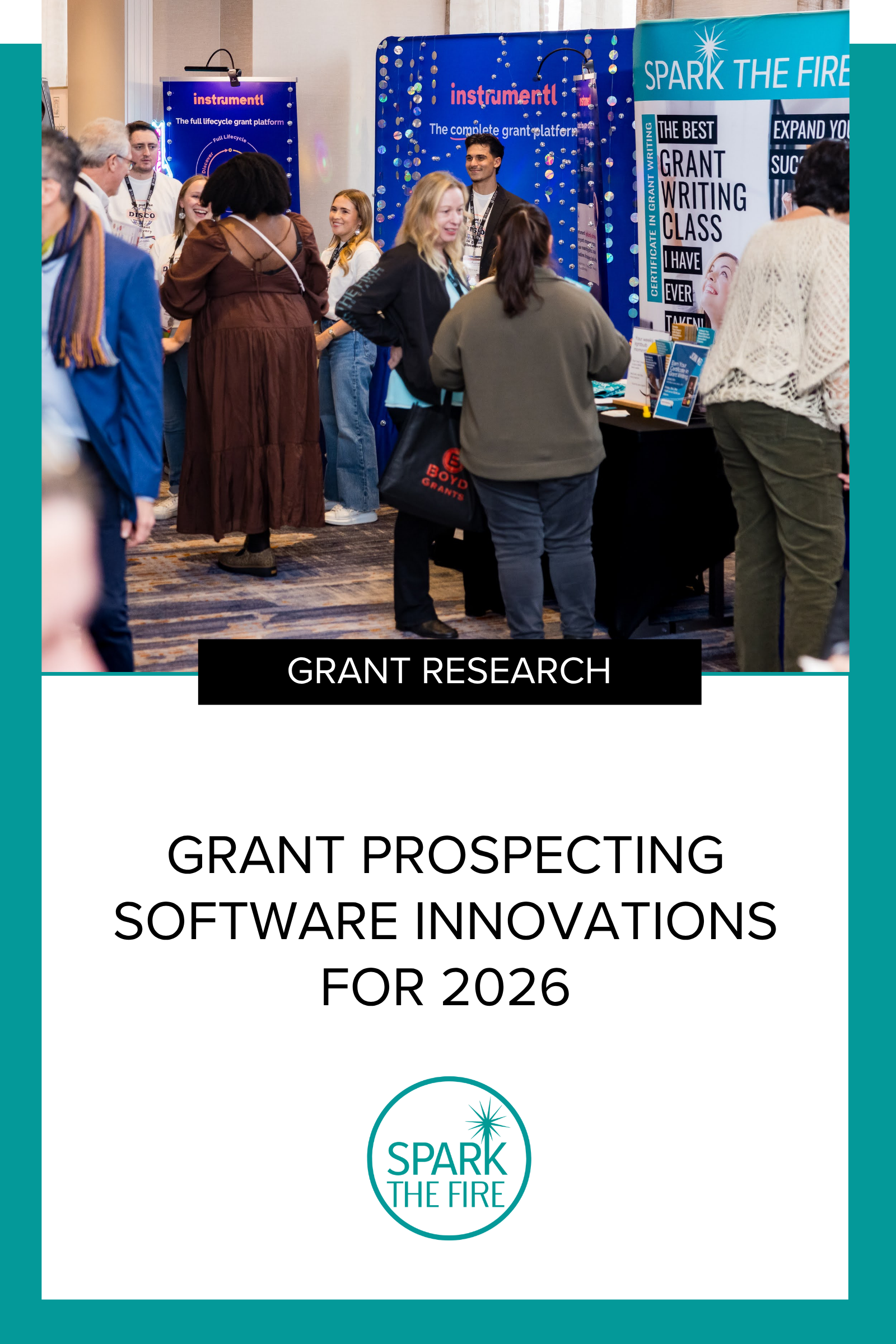
Grant Prospecting Software Innovations for 2026: What's New at the Leading Databases
How to Write a Letter of Interest for Grant Funding: Complete 2025 Guide
The Future of Trust-Based Philanthropy: Building Trust That Includes Every Nonprofit
Unsolicited Proposals: What Foundation Grant Statistics Really Mean
How Grant Consultants Can Give Constructive Criticism Without Losing Trust
The Taxonomy Tangle: Why Grant Database Categories Need Better Alignment
How to Write a Cover Letter for Grants: A Complete Guide
Lifting Each Other Up: Building a Stronger Grant Writing Community
Grant Writer Burnout: Why It Happens and How to Move Forward