
People keep asking me if AI is going to take over the grant writer role.
I understand the worry. But after training more than 7,000 grant writers, I see a field that needs skilled people more than ever. AI can draft from whatever you give it. It can’t tell you whether a three-line workplan is enough, or build the logic that holds a grant proposal together. Those are skills people learn, and teaching them has taught me a lot.
Here is what I’ve learned.
Table of Contents
You learn grant writing by writing a grant

My master’s degree is in education, and brain-based learning shapes everything about how I teach. People learn a skill by practicing it, getting feedback, and practicing again. Grant writing is no exception. You can watch hours of video about logic models and community insight statements, but until you write one for a real project and someone shows you where it works and where it doesn’t, the knowledge doesn’t stick.
That’s why students in my courses write a full grant proposal one section at a time, and why I read and comment on every draft. One graduate, Rebekah Mason, described it this way: “The grant writing course built upon itself and my confidence grew along with it.”
The growth shows up in our course evaluations. Among students entering the course, 44% agree they can complete a full competitive grant proposal from start to finish. Among graduates, 95% agree. That jump comes from what students learn and practice along the way. Graduates also leave with real work: 63% plan to submit the grant proposal they wrote in the course, and 95% say the course will help their organization or clients increase the grant funding they receive. Every graduate who completed our end-of-course survey said they would recommend it.
The basics are where grant proposals slip
The most common gaps I see have little to do with eloquence. They’re structural.
Workplans and timelines top the list. I recently reviewed a grant application whose workplan timeline was three lines long. The funder allowed far more, and the applicant left more than 2,000 characters on the table.
Character limits are a clue. The point isn’t to fill every available character. The allowance tells you the level of detail the funder is asking for. When a funder gives you thousands of characters for a timeline, they’re expecting more than three lines. A strong workplan names each activity, who is responsible for it, when it happens, and which objective it moves forward, in enough detail that a reviewer can picture the project unfolding month by month.
The other gap sits underneath the whole project: a clear goal, with objectives that support it. Every grant proposal needs both, every time. When the goal is missing or the objectives can’t be measured, the rest of the proposal has nothing to connect to.
Clear writing, and the analogy that makes it click
Some students come to grant writing with deep knowledge of their community and their programs while they’re still building their writing skills. That’s a fine place to start. Clear sentences, logical paragraphs, and careful editing can all be learned, and they improve quickly with practice and feedback. Grant writing is still writing, and a reviewer scoring a stack of applications needs to understand your project on the first read.
Once the basics are in place, a well-chosen analogy can do something data alone can’t: make a complex problem clear in a single sentence.
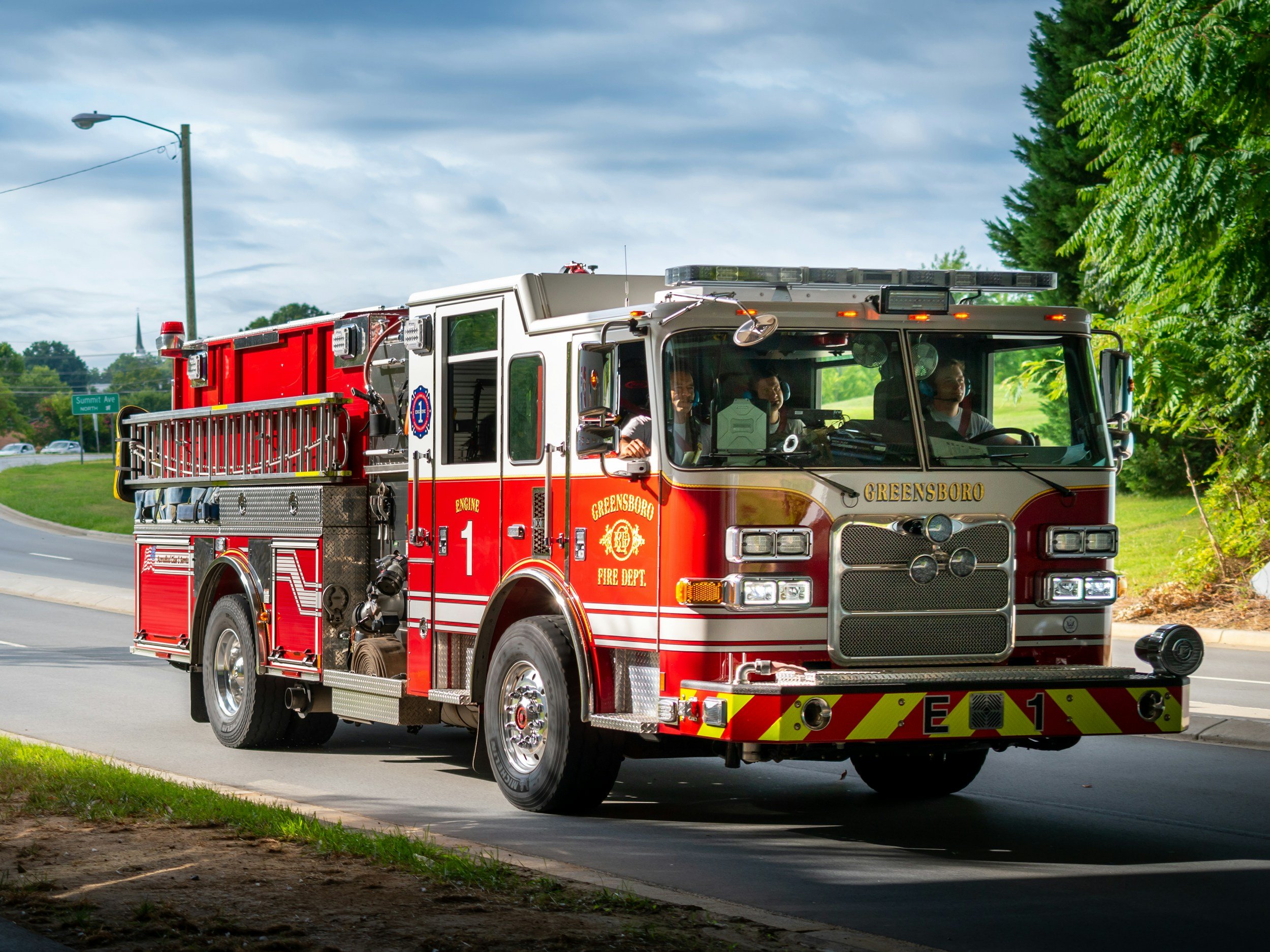
The best example I know comes from my colleague Peter Drury, in a Seattle Times opinion piece about how Washington defines homelessness. Schools, state agencies, and service providers were each using a different definition, so a child a teacher identified as homeless might not qualify for help anywhere else. That’s a hard policy problem to explain. Peter did it with one question: “What if the fire department had to deal with multiple definitions of the word ‘fire’?”
After that sentence, nobody needs a policy background to see the problem.
He does the same thing with a number. About 80,000 children and youth in Washington experience homelessness each year, a figure that’s hard to picture on its own. So he pairs it with something readers know: a sold-out Seahawks game seats 72,000 people. Now the reader can picture more children than a packed stadium holds.
Both moves work in a grant proposal. An analogy explains a concept, and a familiar comparison makes a number land. The key is using them well. An analogy should clarify, not decorate, and an anecdote should support the data rather than replace it.
The midpoint is about the schedule, not the content
Halfway through the course, I check in with every student. For many, that question is the moment they realize they’re halfway through and behind.
The material doesn’t suddenly get harder at that point. Life happens: work deadlines, family, a busy season at the organization. When students tell me where they are, here is what I suggest:
• Set aside a couple of hours each week just for coursework, and protect that time.
• Come to office hours, which I hold regularly, so we can talk through whatever is in the way.
• Trust the process. Take the course one module at a time instead of skipping ahead, because each section builds on the one before it.
Plenty of students who were behind at the midpoint go on to finish strong.
Everyone needs a refresher
Earning a certificate doesn’t mean remembering everything forever. The skill graduates forget most often is writing SMART objectives. Months after the course, objectives start drifting back into vague statements without a measure or a deadline, and the logical chain from the goal to the objectives to the evaluation plan gets harder to follow.
Forgetting is a normal part of how memory works, and the fix is coming back to the material and using it again. If SMART objectives are fuzzy for you, Mastering SMARTIE Objectives is a good place to start. That’s also one reason I’m adding a second monthly webinar focused on how to write grants, and why I hope The “Of Course” Factor: A Guide to Meaningful Grant Writing earns a spot on your desk.
Training matters more now than it did three years ago
Grant competition is tighter than it was, and I’m hearing about it in person. At the Nonprofit Storytelling Conference in Tucson this month, three people stopped by my exhibitor booth in just two days with the same story. Their organizations are losing grants they used to win, and that’s why they were looking at grant writing training.
Their experience matches what I see more broadly. Organizations that were winning grants three years ago, with grant writers who never had formal training, are losing them now. Writing that used to be good enough isn’t anymore, because more organizations are applying for the same dollars and more of them are submitting strong grant proposals.
The organizations keeping up are the ones investing in their grant writers’ skills. For a team that depends on grant revenue, leveling up is no longer optional.
The market isn't oversaturated
I hear a related worry, too: are there already too many grant writers? From where I sit, the answer is no. Organizations need good grant writers, and many have a hard time finding them.
I see it on our job board, where many listings reach their deadline and then get posted again because the organization didn’t find the right person. And at least once a week, someone asks me to refer a grant writer. When they do, I usually encourage them to train someone on their own team so the skills stay inside the organization. Some take that route. Others want to hire someone, and they’re still looking.
So is AI going to take over the grant writer role? Not from what I see. The demand is for skilled grant writers, and the way to become one is to write, get feedback, and keep learning.
Thank you to every student who has trusted me with their learning. You’ve taught me as much as I’ve taught you.
Allison
Frequently asked questions
Is AI going to replace grant writers?
AI can help draft, but it works from what you give it. Organizations still need skilled grant writers who can judge what a funder is asking for and build a grant proposal that holds together. I share more in Is AI Going to Replace Grant Writers?
Is the grant writing market oversaturated?
No. Organizations need skilled grant writers and often have trouble finding them. Many job listings are reposted after their deadlines pass, and competition for grants is tighter, which raises the value of grant writers with strong, current skills.
What is the best way to learn grant writing?
Write a real grant proposal and get feedback on your writing. Courses that guide you section by section and review your drafts build skills that stick, because you practice each part and learn from the feedback. I share more in What Is the Best Way to Learn Grant Writing?
How detailed should a grant proposal workplan be?
Use the character limit as your guide. It tells you the level of detail the funder expects. Name each activity, who is responsible for it, when it will happen, and which objective it supports.
What are SMART objectives?
Objectives that are specific, measurable, achievable, relevant, and time-bound. They connect your goal to the activities in your work plan and to how you’ll evaluate results.
Why are organizations losing grants they used to win?
Competition is tighter. More organizations are applying for the same funding, and more of them submit strong grant proposals, so writing that was good enough a few years ago may no longer score well.
How can I build my grant writing skills?
The Certificate in Grant Writing course from Spark the Fire Grant Writing Classes takes you through a full grant proposal from start to finish, with live instruction, feedback on your writing, and a community of grant professionals. For experienced grant professionals, the Grant Professional Certified (GPC) credential from the Grant Professionals Certification Institute is the field’s professional certification. Spark the Fire is an approved provider for GPCI and CFRE International.