
A good grant writer lives and dies by the calendar. That may sound extreme, but grant writing is a profession built around deadlines.
Earlier in my career, I worked as an employee for an organization and was responsible for about $350,000 a year in private grant income. That figure does not include government grants. The organization already had a strong portfolio of funders, and many of them renewed year after year. I combined those renewals with new prospects, and by the time I left, private grant income had grown to over $500,000 a year.
Growing grant revenue lifts the income of the whole organization. Big awards from prominent funders signal to donors and other funders that your organization is vetted, qualified, and capable. A grant is not only money. It is recognition of organizational strength.
Behind that growth was a grant calendar and work plan. When you research prospects for your organization or your clients, you are not writing grants from time to time. You are building a whole system of funding, and it has to rest on reality and capacity, or you burn out. The Center for Effective Philanthropy’s 2024 State of Nonprofits report found that 95 percent of nonprofit leaders are concerned about staff burnout.
Table of Contents
Fitting the Calendar to Your Capacity
Start With the Income Number

A goal becomes a plan the moment it gets a number.
How much income does your organization need from grants this year? Write that figure down, then list every prospect you could realistically approach. Next to each one, add your best guess at the odds of a yes. A $50,000 request with a fifty-fifty chance counts as $25,000. That does not mean you will receive $25,000. It is an estimate of what the whole list will bring in, and it keeps you honest about how many prospects you need.
Keep researching until the list adds up. If your organization needs $500,000, you need enough prospects, at high enough odds, to reach that total on paper. If you come up short, you have a research problem to solve now, not in July. I wrote about this math in Why You Need a Grant Calendar.
The Go/No-Go decision tool helps with the odds. Run each prospect through it before it earns a spot on the calendar. It gives you a more honest probability than a hunch, and it keeps low-odds requests from eating your writing time.
Gather Your Information Early
Do this at the beginning of the year. In January, or whenever last year’s demographic data and budget actuals are ready, build a one-page case statement for each program that needs funding, plus one for general operating. Include the demographic data, the goals and objectives, a streamlined budget by major category, the evaluation plan, and a short description of what the program does and its history. Update these pages every year. Once they are current, you rarely need to go back to staff, except when a funder asks for something you could not have predicted. Update your community insight statement at the same time.
Count What You Can Write

Capacity is not a limit on your ambition. It is what makes the plan work.
Next, figure out how many grants you can actually write. This is a time study. Count the hours you really have for writing, apart from meetings and admin. Track how long a grant takes you from start to submission. If you have past data on how many grants you wrote per month, use it. Your own numbers beat any rule of thumb.
Plan Around Your Time Off
Add your vacations once the calendar is built. Mark your time off and move work around it. Government and private deadlines land in many months, so no single month is safe. Check that you have the capacity to finish everything before and after you leave.
Deciding What to Ask For
Research the Funder First
Know what each funder likes to fund, not only what it can fund. A foundation may be allowed to give for almost anything, yet return again and again to the same kinds of programs. That pattern tells you what a strong request looks like.
My prospect research strategy looks at the type of grant, geography, and field of interest, along with other factors. Look for funders that support general operating, and look for funders that support other things. There is no first, second, and third choice. The right ask depends on the funder in front of you.
Match Restricted Requests to Restricted Funders
Save capacity-building and equipment requests for funders that only fund those. When a funder supports programs, pitch the program. Asking it to pay for something outside its pattern puts a good relationship at risk.
Treat Sponsorships Like Proposals
A sponsorship request works like a grant proposal. Offer a menu of options at different levels, and spell out what the sponsor receives in return. Reciprocity is part of the deal. Sponsorship levels give a company an easy way to say yes at a size that fits its budget.
Putting Dates on the Calendar
Start With Renewals and Hard Deadlines
Enter renewals and fixed deadlines first. These are the dates you cannot move, so everything else gets built around them.
Know Your Funder Types
Funders fall into a few timing types. A rolling funder has no deadline, so you can apply anytime. A quarterly funder reviews requests every quarter. Others decide at board meetings, and Candid Search lists those meeting dates for many funders. Record which type each prospect is, because it decides where the request goes on your calendar.
Let Your Last Grant Set Your Next Date
Be careful with renewals that run on a 12-month clock. Say a funder notifies you in April and asks you to wait 12 months before reapplying. If its next deadline falls in March, you are not yet eligible, and you wait for the following cycle. Your timeline drifts later each year until you skip a year entirely. Put the funder’s actual deadline on the calendar, not a count of months.
Send the Report Before the Request
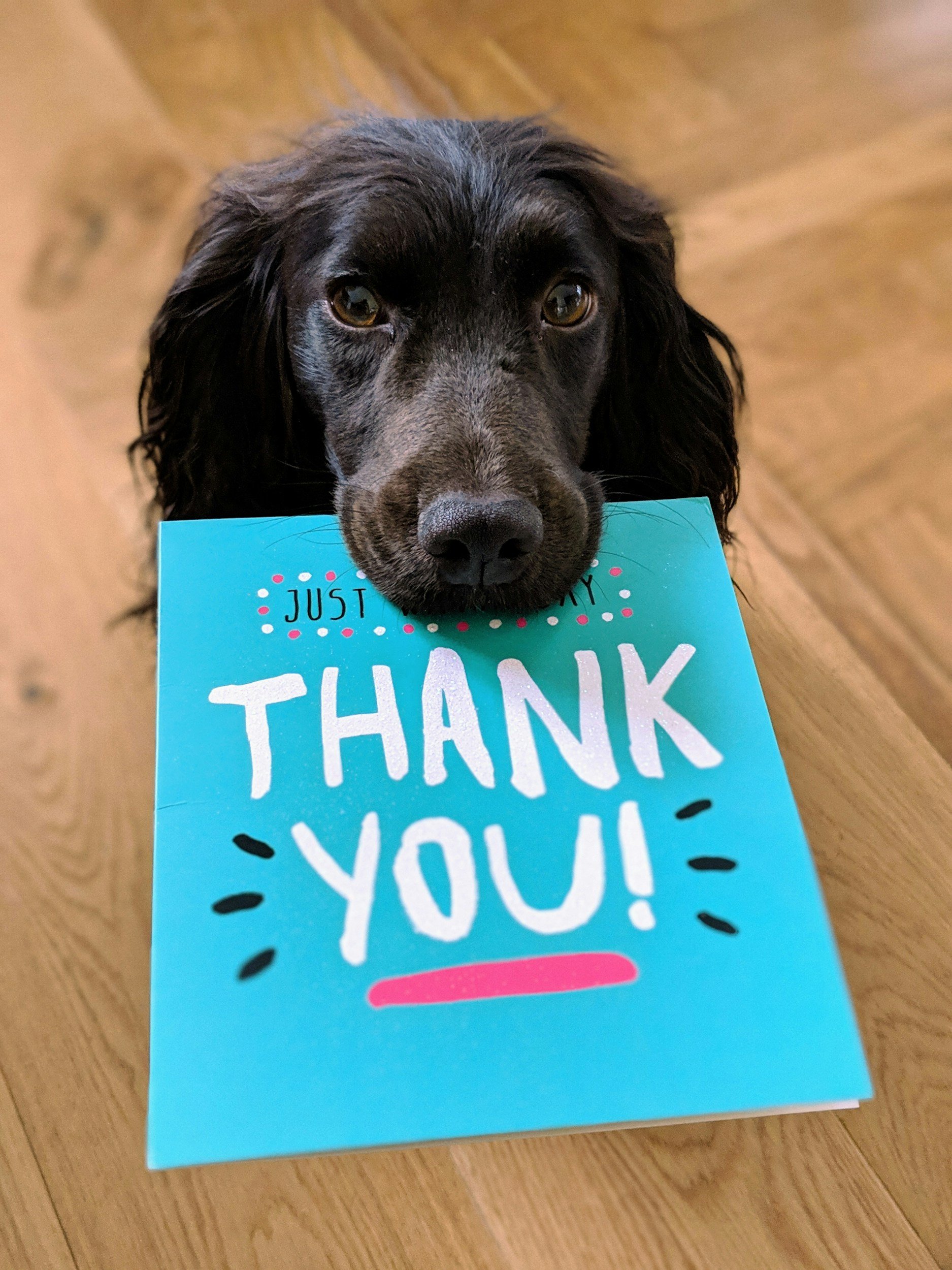
Say thank you before you say please again.
Send your report before you submit a new request. The funder should see what the last grant accomplished before it reads what you want next.
Watch the Seasonal Patterns
These are broad generalizations, so treat them as starting points. Family foundations tend to fund toward the end of the year. Corporate grantmakers tend to decide early in their fiscal year and keep giving until the money runs out. Across all grants, deadlines tend to peak in October, March, and September. Funders and program officers have also told me that they receive fewer applications in the first quarter, so that can be a good time to submit.
Fill Gaps With Rolling Deadlines
Rolling deadlines apply to new prospects only. A renewal always goes on the calendar at its renewal date. A new prospect with a rolling deadline goes in the month where you have capacity.
Leaving Room for the Unexpected

Leave room in the plan, and the good surprises will find somewhere to land.
Do not fill every open week. Opportunities show up mid-year, and a good one deserves a spot on your calendar when it arrives.
Keep a short list of emergency funders, too. If the boiler dies in January, you do not want to be researching from scratch. Know ahead of time who funds urgent needs, what they require, and how fast they move.
Frequently Asked Questions
How many grants can I write in a month?
It depends on your time. Track the hours you have for writing and how long a grant takes you from start to submission, then divide. Past data on grants written per month gives you a reality check.
How do I estimate how much income my prospects will bring in?
Multiply each request by your best guess at the odds. A $50,000 request at 50-50 counts as $25,000. Add up the list and compare it to the income your organization needs.
What goes on a one-page case statement?
Include the demographic data, goals and objectives, a streamlined budget by major category, the evaluation plan, and a short description and history of the program. Build one for each program and one for general operating.
When should I send a report to a funder?
Send it before you submit a new request, so the funder sees results first.
When do I apply to a funder with a rolling deadline?
For a new prospect, pick the month when you have capacity. For a renewal, follow the renewal date.
Want to know which prospects deserve a spot on your calendar?