
Years ago, the organization I worked for ran a preschool for families experiencing homelessness. We received a grant from a community fund, and the fund’s board came out for a site visit. They toured the classrooms, asked questions as they came up, and the whole visit felt relaxed and friendly.
The next year we applied again, and another site visit went on the calendar. We assumed it would look like the first one. You know what they say about assuming.
This time a single board member arrived. He had no interest in touring classrooms. He asked for a room where we could sit down and talk, and once we were settled, he asked for our presentation.
We didn’t have one.
I took a deep breath and started presenting with no slides and no handouts. We made it work, but I learned a lesson I’ve never forgotten: always ask what the funder expects.
Being named a finalist, or getting a request for a site visit, is great news. It means your grant proposal did its job, and now the funder wants to meet the people and see the program behind it. Here is how I prepare for both, drawn from my own experience and from a recent GPA forum conversation where colleagues shared what works for them.
Table of Contents
Always Ask First
Before you plan anything, find out what the funder has in mind. Program officers are usually glad to tell you, and their answers shape everything else. These are the questions I ask:
• What format should we expect: a presentation, a conversation, a tour, or a mix?

A question asked early costs less than a guess made late.
• How much time will we have, and how much of it is for questions?
• Who from your side will attend?
• Can you share any questions in advance?
• If you’re visiting us, what would you like to see?
• Would you like to speak with a program participant?
• Which parts of our grant proposal would you like us to explain further?
That last question can bring a reviewer’s concern to the surface before you walk in the door, which gives you time to prepare a clear answer.
Know Who Will Be in the Room
Once you know who is attending, research each person. A board member’s professional background often hints at what they will ask. An accountant on the panel will likely focus on your budget and financial health. Someone with a background in education may ask about curriculum or how you measure learning. For a virtual meeting, check the calendar invitation, since it often lists every attendee.
I also look for connections. Has this person volunteered with us? Do they know one of our board members? Has someone in their family donated? A connection doesn’t change your preparation, but it gives your team a warm way to start the conversation.
Prepare Your Team
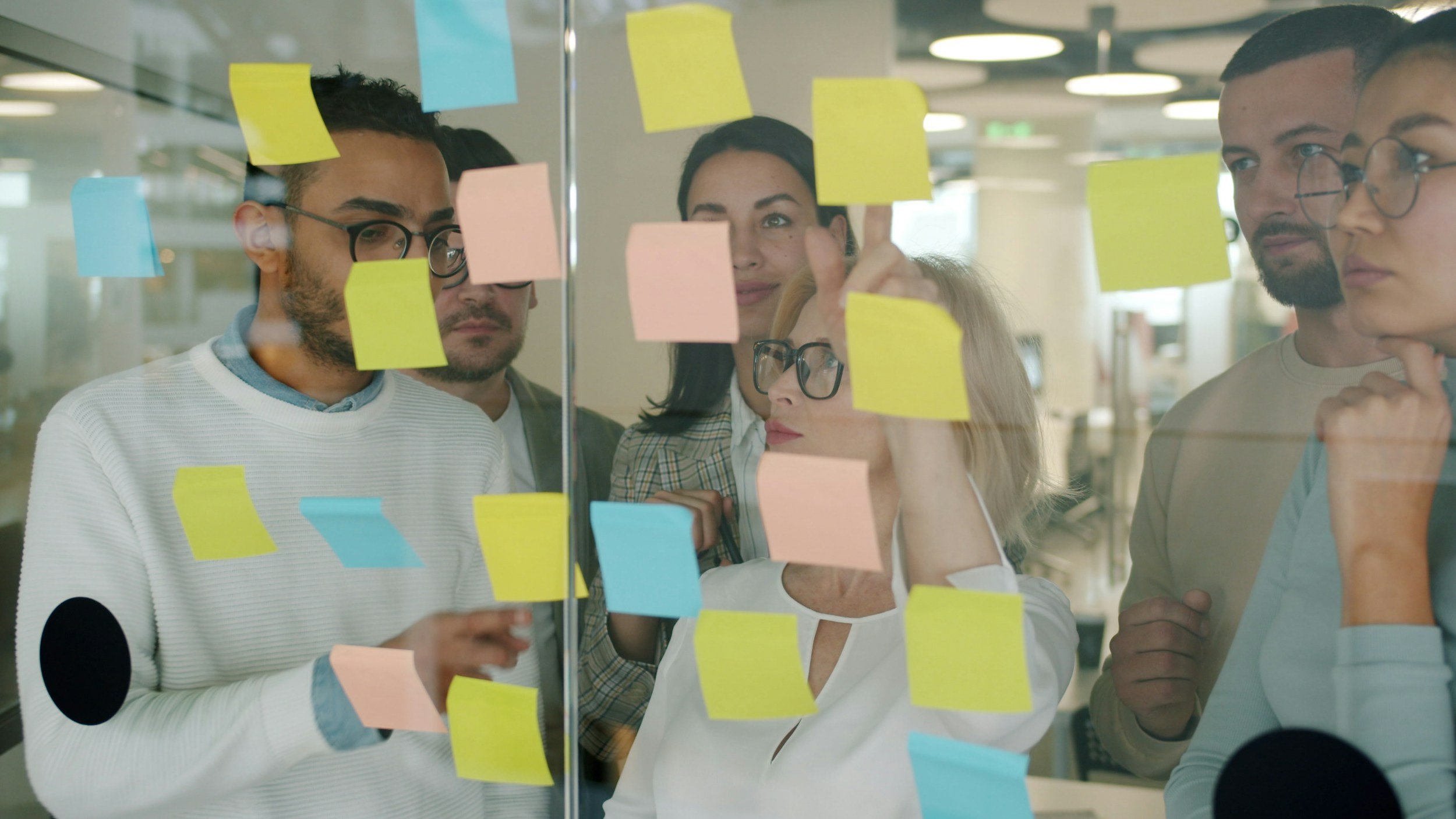
Everyone in the room should know their part before the funder walks in.
A finalist interview usually includes the executive director and the program lead, and sometimes a board member or finance staff. They are the subject-matter experts. They still need preparation, because knowing a program well and explaining it clearly under questioning are two different skills. Nobody should plan to wing it.
Start with the grant proposal. Everyone attending should read the version you submitted, not an earlier draft. If the team describes the project differently than the application did, the funder will notice.
Next, choose your key messages. Decide on the two or three points you want the funder to remember. If they’re meeting with several organizations in one day, a long list of points blurs together. Every answer is a chance to return to those points, so make sure everyone on the team can say them in their own words.
Know the source of every number. For each data point in the grant proposal, someone on the team should know the source, the year, and any context behind it. A funder asking “What is the source of that figure?” is fair, and a confident answer builds trust.
Then practice the hard questions. Brainstorm the questions you’d least like to hear and draft answers together. A few I always include:
• Why do you need our funding specifically?
• If we don’t fund this, will the project continue?
• What happens when our grant ends?
• Why are you tracking this outcome and not another one?
• If we offer partial funding, what changes?
Circulate the draft answers so everyone can give feedback. The more prepared the team feels for the toughest questions, the calmer everyone will be in the room.
Assign roles before the meeting. Decide who takes budget questions, who takes program questions, and who handles anything about the organization as a whole. That keeps people from talking over each other, or from glancing around the table waiting for someone else to answer.
If you have two or three weeks’ notice, two short meetings are usually enough. Use a 30-minute kickoff to explain the opportunity, share the grant proposal and what you know about the funder, and brainstorm questions. Make the second meeting a dry run: practice answers and confirm the logistics, including the time, address, parking, or virtual meeting link.
Finally, prepare for the moment when no one gets introduced. Sometimes a panel jumps straight into questions. If that happens, team members can open their first answer with their name and role: “I’m Maria Lopez, the program director. To answer your question…” It’s a small habit, but it slows the pace and helps everyone feel more in control.
If You’re Asked to Present
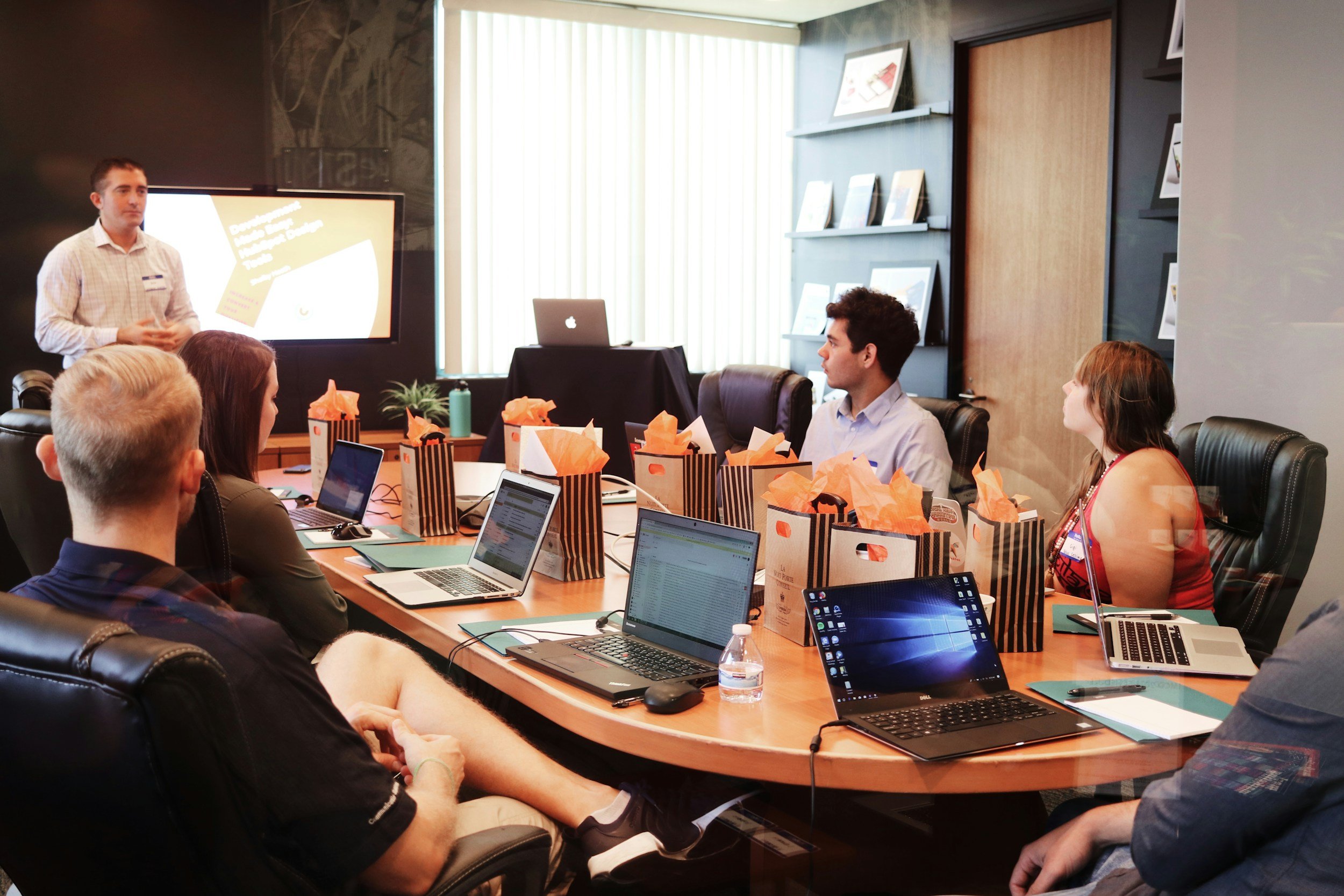
Funders aren’t looking for polish. They’re deciding whether they trust you with their money.
The funder has already read your grant proposal, so don’t spend your time summarizing it. Give a brief recap of the need and the project, then use the rest of your time for information the application had no room to include. That might include:
• More detail on how the funds will be spent, tied back to the need
• Anything complex that may have been unclear on paper
• News since you submitted, such as new funding, a new partner, or a staffing change
• Photos and stories that show the program in action
Keep slides few and simple. Five is a good target, and ten is plenty. Use photos instead of paragraphs. I’d skip video, since it takes time away from conversation and can fail at the worst moment.
If the funder can’t visit in person, turn your presentation into a virtual site visit. Photos of your space, a walk through a typical day in the program, and a participant’s story shared with permission can bring the work to life in a way the narrative can’t.
And have a backup plan. If the projector fails, or if you’re asked for a presentation you didn’t know you were giving, you should be able to talk through your key points with nothing in your hands. I keep mine on an index card now.
If the Funder Comes to You
A site visit lets the funder see the work firsthand, and small details make a big difference.
Tell everyone in the building that a visitor is coming. Staff, volunteers, and whoever is at the front desk should all know the date and time, so there are no surprises that day.
Introduce every person the funder meets by name and title, including the receptionist. It shows respect for your team, and it shows the funder how many people make the program work.
Schedule during active programming hours whenever you can. Funders want to see the program running, and an empty building can’t show them that.
Plan around confidentiality. Decide ahead of time which spaces are open, whether participants will be present, and how you’ll protect their privacy. If a participant agrees to speak with the funder, let them know what to expect and make sure they know they can say no.
And if you work with an animal shelter, ask whether the funder would like to meet one of your clients. Then bring in a puppy. Trust me on this one.
When the Meeting Is Shorter Than Expected
Not every finalist meeting is a big production. Sometimes a funder has only a few compliance questions that could have been handled by email. Even then, you get to meet the program officer face to face, and that relationship matters long after this decision is made. Treat the meeting as the start of a conversation, not a test to get through.
After the Meeting
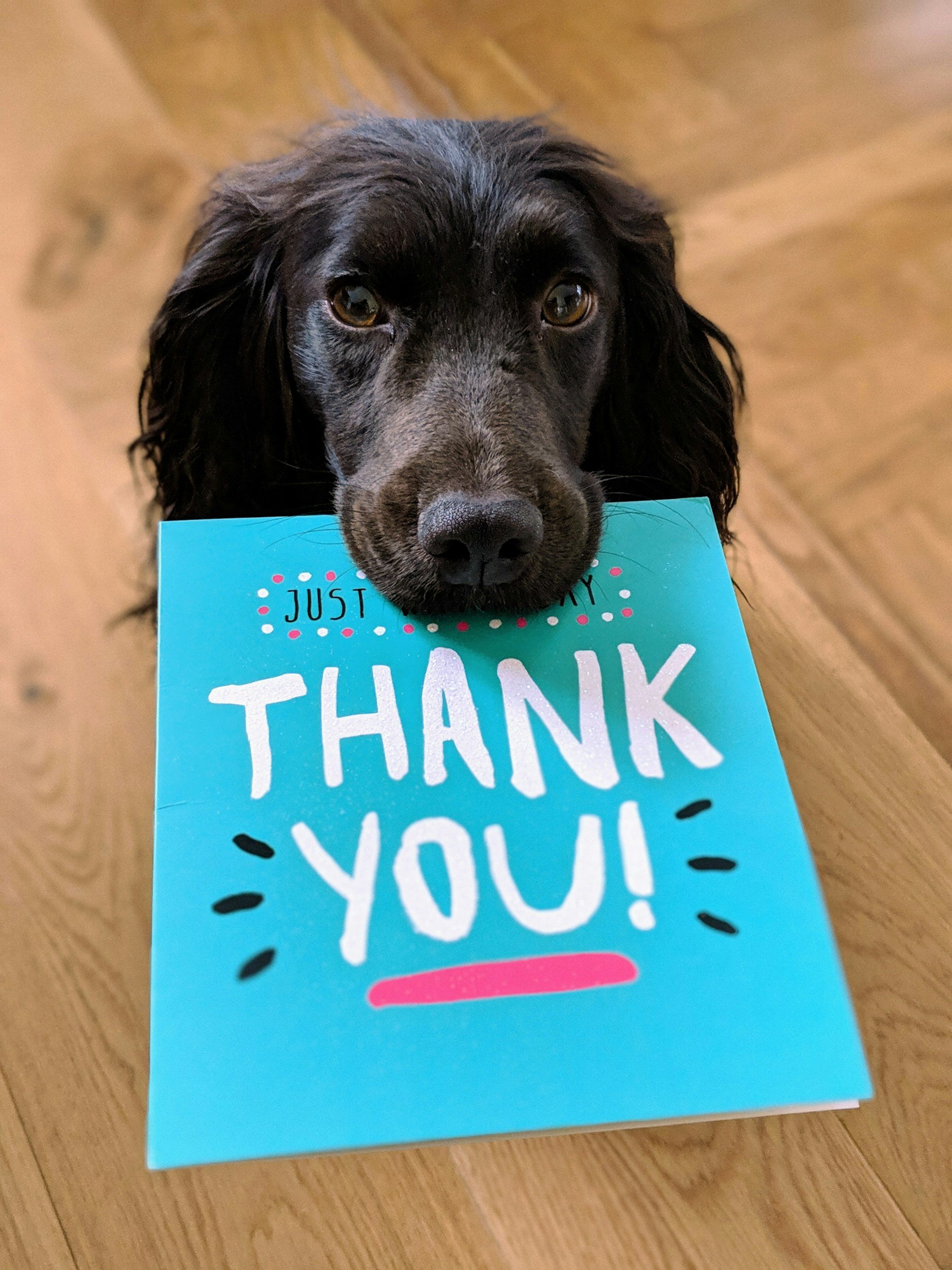
Nobody forgets the applicant who said thank you.
Send a thank-you within a day or two, from the executive director when possible. If anyone promised to send more information, send it quickly. Then record the meeting in your tracking system: who attended, what they asked, and anything you learned about the funder’s priorities. Those notes will help with your next grant proposal to this funder, whatever the decision.
For ideas on staying in touch while you wait for a decision, see You Hit Submit. Now What Do You Say to the Funder? If a phone call makes you nervous, The Art of the Phone Call can help.
Looking back on that preschool visit, one email asking what the board member expected would have given us days to prepare. Ask the questions, prepare your team, and enjoy the chance to show a funder the work that matters to you.
-Allison
Frequently Asked Questions
What is a finalist interview for a grant?
A finalist interview is a meeting, in person or virtual, between a funder and the organizations that reached the final round of review. It may include a short presentation, questions from staff or board members, or both.
How do I prepare for a funder site visit?
Ask the funder what they’d like to see and who will attend. Schedule the visit during programming hours, tell everyone in the building, introduce each person by name and title, and plan ahead for participant privacy.
How many slides should a finalist presentation have?
Aim for about five and no more than ten. Use photos and few words, and spend your time on information that wasn’t in the grant proposal.
What questions do funders ask in a finalist interview?
Common questions include why you need their funding, whether the project would continue without it, what happens when the grant ends, why you chose your outcomes, and what would change with partial funding.
Who from our organization should attend?
Usually the executive director and the program lead. Add finance staff or a board member if you expect detailed budget or governance questions. Ask the funder how many people they’d like to meet.
Should we send a thank-you after a finalist interview or site visit?
Yes. Send it within a day or two, ideally from the executive director, and include any information you promised to send.
How can I build the skills to write grant proposals that reach the finalist round?
The Certificate in Grant Writing course from Spark the Fire Grant Writing Classes takes you through a full grant proposal from start to finish, with live instruction, feedback, and a community of grant professionals. For experienced grant professionals, the Grant Professional Certified (GPC) credential from the Grant Professionals Certification Institute is the field’s professional certification. Spark the Fire is an approved provider for GPCI and CFRE International.